Pain is both a signs and symptom and a stressor. In emergency situation treatment, it additionally ends up being a danger variable: unrelieved discomfort drives tachycardia, elevates high blood pressure, clouds analysis, and can complicate transportation and procedures. Brief programs in pain management, aligned to PUAEME008 Offer pain monitoring, exist to develop certain frontline experts that can analyze, decide, and deliver safe analgesia within their range. Obtaining that right takes more than a pharmacology lecture. It requires scenario-based judgment, experience with neighborhood methods, and a regimented method to documents and patient More help safety.
I have actually shown, examined, and revitalized several programs that declare to "offer pain administration training." The courses that in fact alter method often tend to share a few top qualities. They attach medicine selections to particular individual discussions, they drill the operational details that fail under stress, and they tell the truth regarding compromises. They also map very carefully to PUAEME008 so that learners can acquire a recognised pain management certification, not just a certificate of attendance.
This short article lays out what PUAEME008 requires in method, exactly how brief training courses suffering monitoring can meet the requirement, and just how to select the best discomfort management training course for your duty, whether you are a nurse in urgent care, a paramedic, a physio therapist managing intense flare-ups, or a medical professional upskilling for remote location work.
What PUAEME008 In fact Covers
PUAEME008 Provide pain administration sits within public safety training, and it supports discomfort relief to safe systems of treatment. The system concentrates on short-term, step-by-step, and acute pain in prehospital and emergency contexts, not long-term chronic pain. Key elements include:

- Accurate assessment making use of verified discomfort ranges proper to age and cognitive standing, and repeated reassessment after interventions. Selection and administration of analgesia within organisational policies, generally including inhaled methoxyflurane, dental anesthetics, intranasal fentanyl, or morphine relying on jurisdiction and scope. Monitoring, damaging event preparedness, and rise, including administration of nausea, hypotension, respiratory clinical depression, and transformed sensorium. Documentation that catches baseline, intervention, response, and handover detail, and interaction with getting teams. Scene and spectator safety, consent, and culturally appropriate care.
While the exact medication listing differs by service, the PUAEME008 offer discomfort administration structure is medication agnostic. It has to do with secure systems: examine, make a decision, provide, monitor, record, and hand over. Any kind of qualified give discomfort monitoring course that declares to fulfill PUAEME008 ought to make those actions noticeable in every scenario.
Why short programs benefit hectic clinicians
Time stress is a real constraint. Committing to a multi-day program is tough for change workers. Short courses suffering monitoring, normally six to ten hours with blended online and face-to-face elements, use a useful path to discomfort monitoring certification without compromising clinical changes. When well created, a certification program suffering monitoring can deliver focused skills that equate to area efficiency the same night.
Speed, however, can not come at the cost of deepness. The very best pain management training courses equilibrium crisp pre-read material with immersive, hands-on technique. If you can complete a course without ever before taking care of a spacer, assembling a methoxyflurane device, or drawing up an intranasal dosage, it is unlikely to develop functional skills.
The core skills a PUAEME008-aligned training course have to produce
Every pain monitoring certification course aligned to PUAEME008 needs to demonstrably develop the following expertises:
Pain evaluation that endures the sound. A single numeric rating is not enough. Learners must utilize age-appropriate tools like Wong-Baker faces for youngsters, Behavioral Pain Range surrogates in the confused person, and straightforward questions that cut through the adrenaline of trauma scenes. Effective courses educate you to triangulate: the patient's record, their behavior and physiology, and your mechanism-of-injury intuition.
Safe medicine option within range. Medicine menus differ. Country registered nurses might have authority for intranasal fentanyl and dental anesthetics, while occasion medics may count on methoxyflurane alone. Trainees have to exercise decision trees that reflect their real protocols. As an example, a frail individual with a broken neck of femur, nil by mouth, hypotensive at 92/58 and SpO2 95 percent on area air will not endure the same strategy as a young hill cyclist with a mid-shaft shin crack and steady vitals.
Dose estimation under stress. Intranasal fentanyl in micograms per kilogram, optimum per nostril quantity, redosing intervals, and advancing totals are where errors sneak in. Excellent training makes use of drills with mock syringes and atomisers, and forces you to recite your five rights out loud. Enjoying a person fumble a dose during simulation informs me greater than any written test.
Adverse effect preparedness. Antiemetics for methoxyflurane-induced nausea or vomiting, naloxone methods for opioid-induced breathing anxiety, supplemental oxygen, and placing strategies require to be automatic. A program that never ever simulates a decrease in respiratory system rate after fentanyl misses out on the point.
Reassessment and documentation. Discomfort relief is a procedure, not a one-off act. Learners must chart standard discomfort, time of administration, dose, route, result at 5 and 10 mins, and any kind of negative effects. That documentation becomes a handover shorthand that shields the individual and the clinician.
Medication options in scope for PUAEME008
Because plans differ by state and service, a discomfort management qualification course usually presents a basic tool kit with neighborhood adjustments. The typical alternatives:
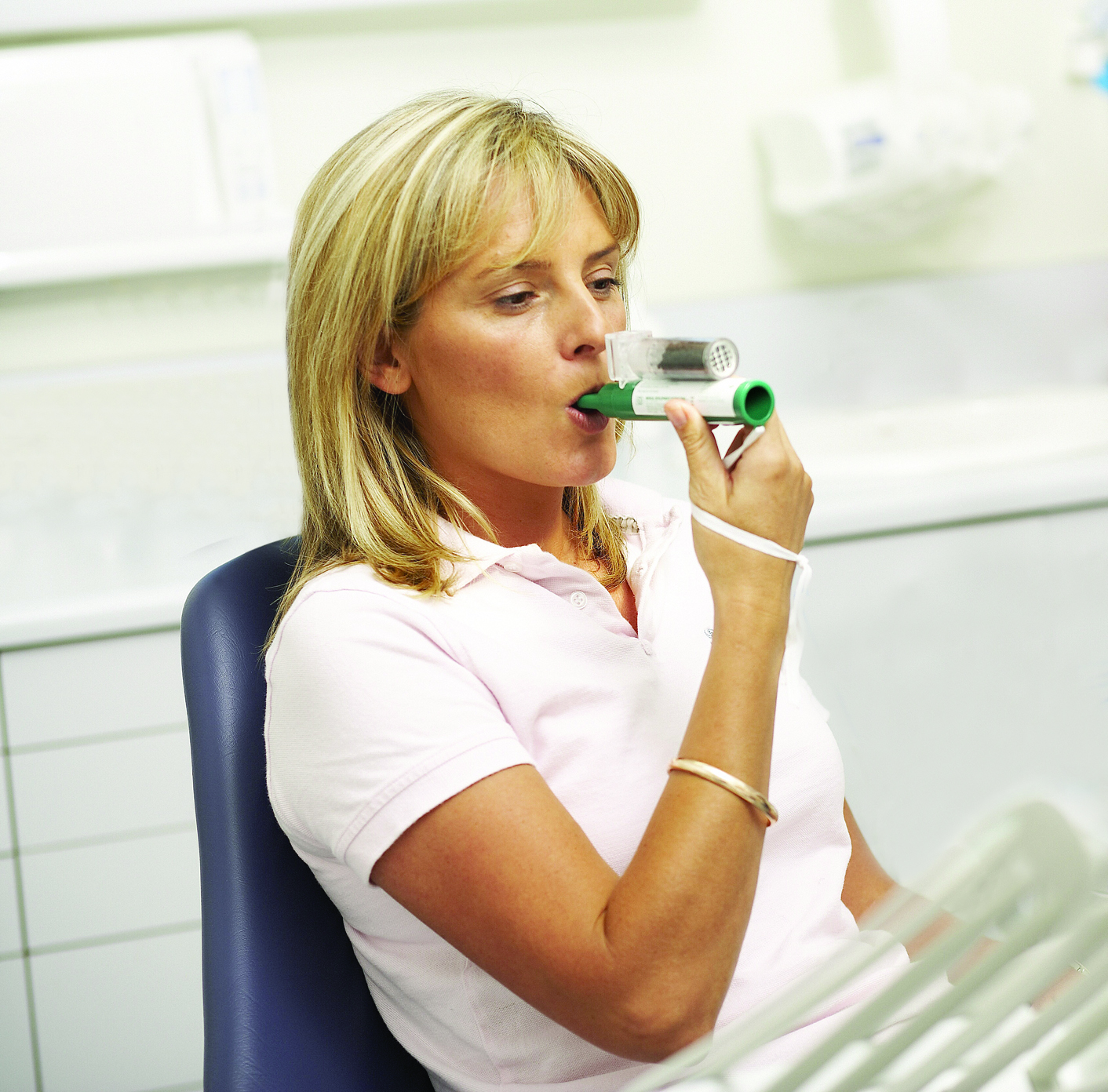
Methoxyflurane. A mobile inhaled analgesic made use of widely in prehospital treatment. It offers rapid onset and patient-controlled dosing. Disadvantages include dizziness and queasiness, and it is not ideal for extended use or in people with certain kidney danger profiles. In crowded scenes, training the patient to breathe in and exhale away from spectators matters greater than a lot of students expect. A two-minute coaching session can make or break its effectiveness.
Intranasal fentanyl. Rapid onset, needle-free, and simple to titrate. It is excellent for fractures and burns, and aids with nervous kids. The dose-volume restriction for the nostrils is an actual restraint. If you load the nose beyond regarding 1 millilitre total quantity, it drips instead of atomises, which blunts result and elevates threat. People discover this only by exercising with atomisers and seeing the spray pattern.
Oral anesthetics. Paracetamol and NSAIDs continue to be the foundation of multimodal analgesia. In the area, they are complements that reduce opioid demands. The training course needs to educate when dental representatives assist and when they only add delay, such as the nil-by-mouth injury patient waiting for surgery.
Morphine or IV opioids. In some services, PUAEME008 learners will certainly not provide IV opioids; in others, they will certainly under supervision. If IV courses are consisted of, cannulation abilities are assumed preexisting, and the program should concentrate on titration, monitoring, and documents as opposed to cannulation itself.
Adjuncts and regional blocks. A lot of brief courses do not educate nerve blocks within PUAEME008, but some solutions utilize intranasal ketamine or nitrous mixes under separate protocols. If a training course markets ketamine without expanded monitoring material, ask questions.
A credible discomfort administration training company will certainly publish the exact medication extent for their PUAEME008 give pain management course and cross-reference to neighborhood procedures. Vague assurances regarding "powerful medicines" are a red flag.
Building self-confidence via scenario realism
The class can overemphasise clean lighting and excellent hearing. Genuine scenes rarely work together. I once enjoyed a brand-new grad blow up of a crack splint due to the fact that he attempted to maintain sterility in a sloppy paddock while the individual shouted. The veteran next to him, silently, protected fundamental convenience initially: a covering as a splint reinforce, a quick analgesic dose, and then a secure transfer to firmer ground. No one bears in mind the pain scale number from that call, yet everybody bears in mind that the patient stopped clawing at the leg after the first inhalations.
Effective short programs suffering monitoring stage these details deliberately. They utilize background noise, a cramped space, or a stressed member of the family that keeps interrupting. They make you clarify to a parent why you are offering an analgesic to a kid with a burn before you begin cooling, or exactly how you will time dental paracetamol before a lengthy country transport. The factor is not to trick students yet to inoculate them against typical failing settings: poor interaction, reluctance, and loss of sequence.
Documentation that withstands scrutiny
Charts and handovers are commonly the top place auditors look. A discomfort administration certification ought to come with much better paperwork habits. A solid pain monitoring program for registered nurses, paramedics, and first -responders drills concise expressions that record medical thinking. Instead of "offered fentanyl," write "IN fentanyl 60 mcg at 14:12 for L forearm fracture, pain 8/10 to 4/10 at 14:18, no nausea or vomiting, RR 16 stable, SpO2 98 percent." That line can be skimmed and trusted. It is likewise defensible months later when memory fades.
Handing over to the receiving group, call out the certificate course in pain management analgesia sequence with dosages and times, any kind of problems with methoxyflurane tolerance, last oral drug time, and whether the person stays nil by mouth. If your service permits a 2nd line representative, say whether you considered it and why you kept back. Good courses make that specific in debrief.
Tailoring to various expert roles
The web content placement varies when you instruct discomfort monitoring programs for registered nurses versus pain administration programs for physiotherapists.
For nurses in urgent care or remote clinics, discomfort monitoring training for registered nurses usually emphasises triage acceleration, standing orders, and documentation under nurse-led designs. The curriculum must consist of double-check systems when functioning solo, dispensing rules, and interaction with on-call medical police officers. Situations need to include competing concerns, for example a flustered patient with kidney colic arriving while a dressing adjustment is underway.
For physio therapists that run into intense flare-ups, a discomfort management certification program has to regard range. The training course might focus on screening warnings, immediate non-pharmacologic approaches, easy oral analgesia advice where permitted, and safe referral. Educating a physio to instructor paced breathing or to place a back radiculopathy patient for convenience issues greater than medicine drills. Discomfort administration training courses for physiotherapists that dabble in advanced analgesics without a clear scope statement can deceive learners.
For event medics and initial responders, PUAEME008 offer discomfort administration usually restricts medications to breathed in and dental routes. Scene management, patient placing before transportation, and taking care of bystander expectations come to be core skills. The training course should certainly consist of crowd-communication scripts, due to the fact that they decrease dispute when you carry out analgesia in public view.
Non-pharmacologic methods that really help
Medications are insufficient, specifically when transportation is delayed or dosages are constricted. A well-rounded discomfort management course incorporates techniques that decrease enduring without a milligram being given.
Positioning continues to be the quiet hero. A patient with a proximal humerus fracture who is sitting bolt upright will certainly strain and safeguard. An easy sling and pillow, with the seat delicately reclined, can cut in half the discomfort score prior to the very first breathing. Educate pupils to scan for pressure points and change assistances. In burns, elevation and mild cooling while maintaining core warmth matter; overcooling prolongs transportation and enhances discomfort.
Communication is analgesia. People that understand what occurs next often relax enough to tolerate the very early minutes. A brief manuscript helps: "I am going to provide you something you take a breath that takes the edge off within a min. Keep it secured against your mouth and breathe in deeply three times. You regulate how much you take, and you can stop if you really feel lightheaded. I will certainly stay with you and check your numbers." Programs must call for students to say those words aloud while establishing the device.
Immobilisation and splinting supply mechanical alleviation. Training should consist of improvisated options for when kits run dry: rolled towels, triangular plasters, a folded up magazine for a wrist. Excellence is the enemy of alleviation. Set splinting exercise with instant analgesic mentoring to show how the two job together.
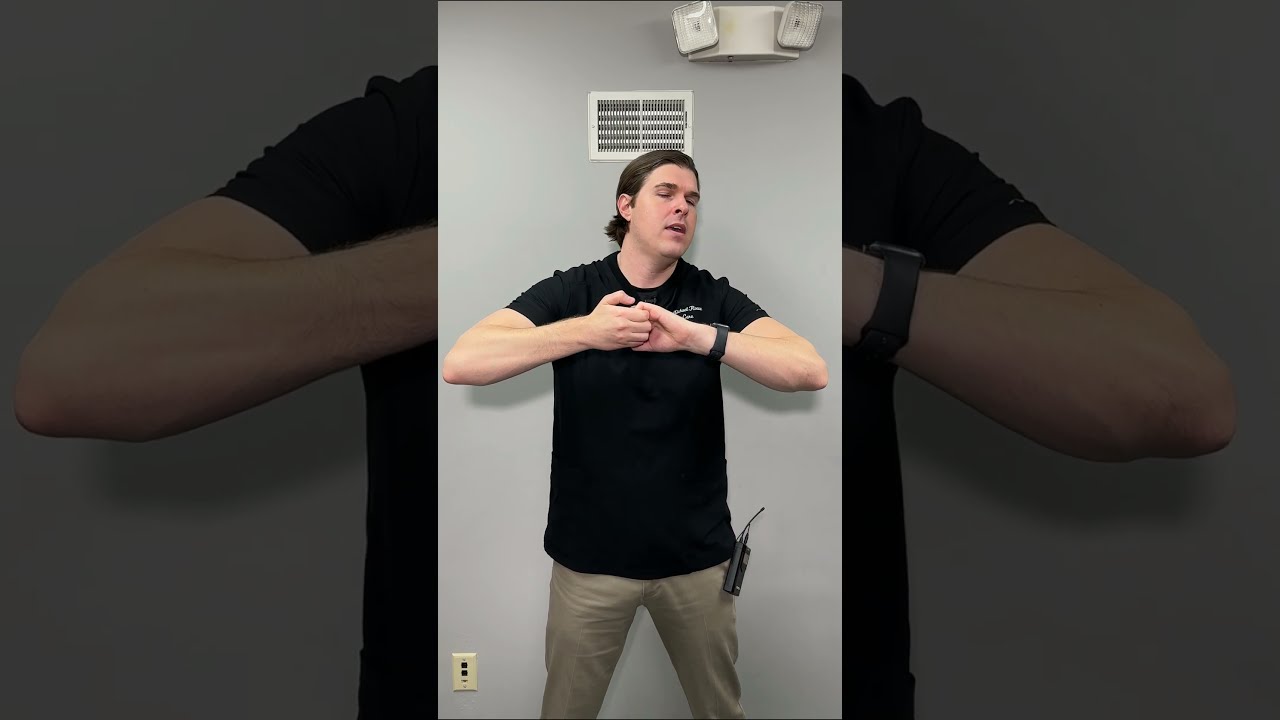
Breathing techniques are not simply for antenatal courses. Training sluggish nasal inhalation with a much longer exhale reduces understanding drive. When teamed with intranasal fentanyl, the strategy often steadies the individual sufficient to prevent hyperventilation or breath-holding that delays atomiser delivery.
Edge situations where judgment matters
No program can script every circumstance, however a PUAEME008-aligned program should surface tricky situations that compel compromises.
The inebriated injury client. Alcohol complicates opioid use and masks discomfort. A rigid policy of "no opioids with alcohol" leaves clients squirming, but casual application threats respiratory system clinical depression. Effective training instructs mindful titration with raised monitoring, choice for breathed in representatives if available, and an emphasis on respiratory tract positioning and transport readiness.
The sickly older adult with multiple comorbidities. Age modifications pharmacodynamics. A small intranasal dose can generate big results, and methoxyflurane queasiness can lead to desire danger. A good teacher makes learners rehearse half-doses, slower titration, and very early antiemetic consideration. The balance between comfort and safety and security comes to be a discussion with the person and carer.
The child who refuses to inhale. Compeling a tool to the face backfires. Training courses ought to teach the alternative path within extent or program escalation steps, consisting of topical anaesthetic for IV if permitted, interruption methods, or a short hold-up while a caregiver designs first smokes. Role-playing this with a skeptical instructor functioning as the child is worth more than any kind of slide.
The long transport in a warm ambulance. Methoxyflurane loses performance with gadget air conditioning and leakages. Intranasal agents may dry nasal mucosa. Preparation a staggered dose pattern, making certain hydration where risk-free, and building in keeping an eye on breaks becomes part of the circumstance. Students ought to be asked to plan analgesia for a 90-minute rural road, not simply a suv 10-minute sprint.
Assessment, review, and when to escalate
Pain administration is dynamic. The very first plan may underperform. Courses that push learners to reassess and pivot construct safe reflexes. If inhaled analgesia gives just limited relief, do not keep chasing the same effect out of routine. Think about a 2nd modality if scope enables, or pair with non-pharmacologic modifications. If a client's discomfort intensifies or alters personality, treat that as new information: reassess for area disorder risk, developing stomach pathology, or a missed injury.
Know your escalation limits. Respiratory price dropping below a service-defined flooring, SpO2 dropping regardless of oxygen, new confusion, or uncontrolled vomiting all trigger specific actions. Students should have those numbers and activities at their fingertips. In training courses I run, I require trainees to verbalise an escalation line, for example, "If RR dips below 10 or the individual comes to be rousable to voice only, I will certainly stop opioids, support the air passage, and prepare naloxone per protocol."
Evidence base without the jargon
Short training courses in some cases drown participants in citations. The evidence in prehospital discomfort management, while progressing, sustains a few practical facts. Early analgesia improves individual collaboration, which reduces extrication and enhances procedural success. Multimodal approaches reduce single-agent negative effects. Intranasal paths are secure and reliable in different ages when dosed properly. Methoxyflurane provides rapid alleviation yet needs nausea or vomiting planning. Opioid damaging occasions are uncommon with mindful titration and tracking, but they do happen, and naloxone must be available.
The evidence likewise reminds us that paperwork conformity associates with safety and security. Clinicians who consistently record baseline and post-dose pain scores have a tendency to identify inadequate reaction previously. A training course that builds those behaviors is not simply showing documentation; it is enhancing client outcomes.
Choosing a service provider: what to look for
Selecting a pain administration accreditation program is much easier if you concentrate on a couple of tangible requirements rather than shiny brochures.
- Clear mapping to PUAEME008 Provide discomfort management, with published knowing outcomes that match the system's elements and efficiency criteria. Hands-on exercise with the precise devices and shipment routes your solution utilizes, consisting of methoxyflurane arrangements, atomisers, and spacer technique if relevant. Qualified teachers with frontline experience that can give based responses, not just state slides. Assessment that consists of observed circumstances, not only multiple-choice quizzes. Ask whether you will be assessed on a complete scenario from evaluation to handover. Post-course assistance, such as quick-reference cards, dosage calculators, and a line of contact for protocol questions.
If you are looking for a pain monitoring certification to satisfy a credentialing demand, verify that the carrier problems a statement of achievement that lists PUAEME008. Lots of brief courses suffering monitoring give terrific understanding yet do not honor recognised units. That is fine for professional advancement, but it will certainly not satisfy HR's "discomfort administration accreditation training course" requirement.
How organisations can embed the gains
One-off training fades unless the workplace enhances it. Services that obtain value from discomfort management training courses do a few basic points. They equip the gear in predictable locations and sizes, from paediatric atomisers to grown-up cannulas. They include pain reassessment prompts to patient treatment records. They motivate case testimonials where teams review missed out on analgesia chances without blame. They build a culture where requesting for a 2nd pair of eyes on a challenging application inquiry is commended, not punished.
A little example: one clinic added a bright orange sticker to the front of every acute injury data that checks out "Standard discomfort rating videotaped?" Conformity leapt for the straightforward factor that the prompt showed up at the best moment. Training grew the concept; the system made it stick.
A sample training day that meets the standard
Providers organise various schedules, yet a reasonable single-day pathway for a PUAEME008-aligned pain monitoring program may look like this:
- Morning online modules completed prior to attendance, covering physiology of pain, pharmacology essentials, and device aspects, 2 to 3 hours. Brief in-person wrap-up and Q&A with regional protocol emphasis, 45 minutes. Device stations turning via methoxyflurane assembly and mentoring, intranasal shipment with dosage estimations, and paperwork drills, 90 minutes. Scenario block with three instances per learner: paediatric shed, elderly hip fracture, and upset drunk injury, 2 hours consisting of debriefs that concentrate on judgment and communication. Assessment circumstance and knowledge check, 60 to 90 mins, with instant feedback and remediation time where needed. Closing conversation on handover language, negative occasion escalation strategies, and incorporating non-pharmacologic methods during transport, 30 minutes.
That cadence offers adequate repetition to develop muscular tissue memory without fatiguing learners. The evaluation circumstance need to be strenuous, with reasonable displays and time pressure, to reflect field demands.
Where brief training courses sit within wider pain education
A pain management certification program aligned to PUAEME008 is not a fellowship suffering medicine, and it must not pretend to be. It is a focused credential for emergency situation pain management at the point of care. For clinicians that wish to strengthen skills, pathways exist: extended range programs that add ketamine and nitrous, sedation components, or multidisciplinary certification programs that bridge severe and chronic discomfort. The point is to match the training to your function. Overtraining beyond range increases risk if your work environment does not sustain the included skills.
Physiotherapists who complete an intense care pain monitoring course might next off pursue training in rated direct exposure and main sensitisation for persistent conditions. Nurses in remote facilities could include a step-by-step sedation module or fracture administration to extend their ability. The best companies will certainly encourage on those paths, not just market the following course.
The human side of pain relief
A last believed from the area. Years earlier, after a late-night phone call to a farmhouse, we found an older guy with a collarbone fracture from a fall. He waved off assistance till his spouse urged. He held out until the very first 3 breaths of methoxyflurane, after that his eyes softened. He discussed his dog instead of his shoulder. The pain was still there, yet it was smaller sized, and that made sufficient room for us to move him, safeguard the sling, and drive the long crushed rock track without jolting him into a panic. The treatment was simple, well within PUAEME008. The result depended upon preparation, not heroics.
That is what great pain management training does. It gears up normal clinicians to supply dependable alleviation under imperfect problems. It mixes pharmacology, communication, and systems thinking into a repeatable sequence. And it grants a pain monitoring certification that means greater than a course code, since the practice behind it is sound.
If you are examining pain administration training for nurses, physio therapists, or combined frontline teams, ask to see the circumstances, the devices, the evaluation rubric, and the statement of attainment. If they associate PUAEME008 Give discomfort management, and the trainers can chat via the compromises without flinching, you are likely in good hands.